Tsuchinoko

ツチノコ

Cryptids

A Japanese cryptid described as a snake with a short, fat body that moves by jumping. It goes by many local names and became the subject of a nationwide boom in the 1970s.

Also known asTsuchinoko, Nozuchi, Bachi-hebi, Tsuchikoro, Japanese mystery snake
Era / first recordedRecorded in Edo-period texts; boom in the 1970s
OriginJapan
Related people
Stats
Rarity
Danger
Reality
Fame

Originally written in Japanese. 日本語版を読む (the Japanese page also has rankings and comments).

What does it look like?

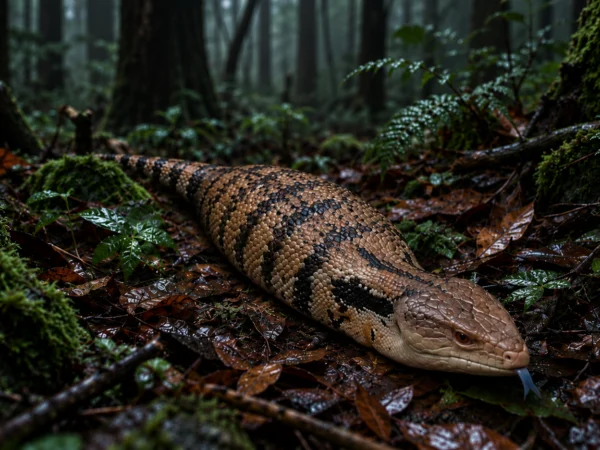
The tsuchinoko is described as a snake-like creature with a body as fat as a beer bottle and a thin head and tail. It is said to be 30 to 80 centimeters long, and is often credited with abilities ordinary snakes lack: jumping several meters, rolling along the ground, and even snoring.

Local names and old records

It has many regional names, such as nozuchi, bachi-hebi and tsuchikoro. The Edo-period encyclopedia Wakan Sansai Zue describes a mallet-shaped snake called the “nozuchi-hebi.”

The tsuchinoko boom of the Showa era

In the 1970s, books by a writer who searched for the tsuchinoko, along with manga, set off a nationwide boom. Search events were held in places such as Higashishirakawa in Gifu Prefecture, and some local governments even offered rewards. Skeptics suggest sightings were snakes swollen after swallowing prey, young yamakagashi or mamushi snakes, or introduced lizards.
Tsuchinoko: Legend & Sighting Locations

Please note Trespassing on private property or restricted areas is prohibited by law. Please be considerate of local residents.

Positions on the map are a rough guide to the area where a legend or sighting is set. Most pins are placed at representative points of a municipality or prefecture (outside Japan, a city position rounded to about 10 km, or the country), not at the exact place.
Municipality points: Geolonia address data (CC BY 4.0), based on the Address Base Registry (Digital Agency of Japan) / Country points: Natural Earth

Sources & References

  1. 和漢三才図会 (寺島良安, 1712)
  2. 逃げろツチノコ (山本素石, 1973)

Please note The contents of this site introduce legends, eyewitness accounts and theories; they do not guarantee that anything described is true. The stats are our own rough guide. Trespassing on private property or restricted areas is prohibited by law. Please be considerate of local residents.

Related Entries