What is the simulation hypothesis?
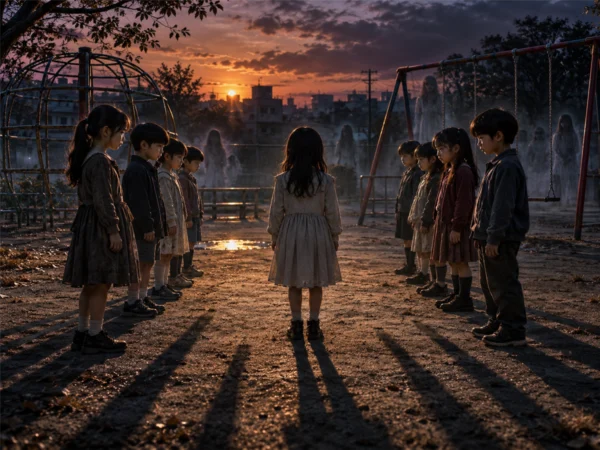
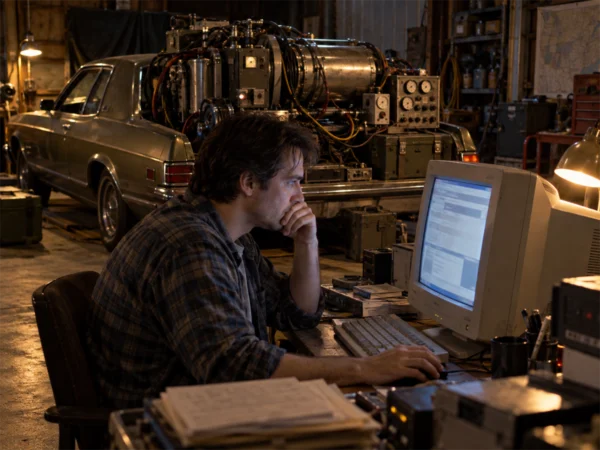
The simulation hypothesis is the idea that the world we live in may itself be a “simulation” (virtual reality) running inside the computer of a far more advanced civilization. We ourselves would be beings inside that program.
Bostrom’s paper
In 2003, Nick Bostrom, a philosopher at the University of Oxford in England, published a paper titled “Are You Living in a Computer Simulation?” Bostrom argued that if a civilization became advanced enough to run vast numbers of simulations recreating the whole world of its ancestors, simulated people would far outnumber people in the real world, and so the chances that we are in a simulation would be high.
However, the paper also raised the possibilities that “civilizations die out before reaching that level” and that “even advanced civilizations do not run such simulations,” and did not claim that we are certainly in a simulation.
The age-old “the world may be a dream”
The question of whether this world is real is old. The ancient Chinese thinker Zhuangzi woke from dreaming he was a butterfly and could not tell whether he had dreamed of being a butterfly or a butterfly was dreaming of him (the butterfly dream). The 17th-century philosopher Descartes also considered the possibility that an evil demon was deceiving him with a false world. The 1999 film The Matrix spread this idea around the world.
Why it attracts attention now
In 2016, the businessman Elon Musk caused a stir by saying that the chance we are in base reality is “one in billions.” Rapid advances in games, VR and AI, which have made creating virtual worlds familiar, have also raised interest in the hypothesis. On the other hand, there is no way to check whether we are in a simulation, and many researchers see it as a philosophical thought experiment rather than a scientific theory. Some people think the Mandela effect is a “bug in the simulation.”