Moha-moha
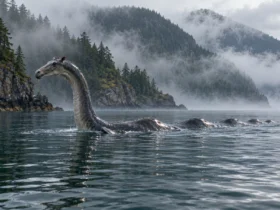
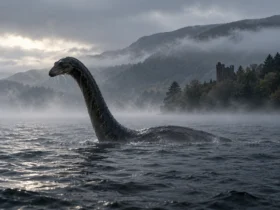
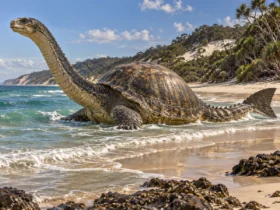
A sea cryptid said to have been sighted around the Great Barrier Reef in Australia, with a turtle-like body, a long neck and a fish-like tail. A sighting was reported to a museum at the end of the 19th century.
Mystery Timeline|1868–1945
From the age of The Legends of Tono to the days when Nessie and the coelacanth made headlines around the world: mysteries from the Meiji era to the end of World War II.
A sea cryptid said to have been sighted around the Great Barrier Reef in Australia, with a turtle-like body, a long neck and a fish-like tail. A sighting was reported to a museum at the end of the 19th century.
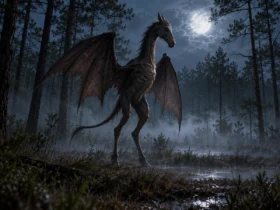
A monster of the New Jersey forests with a horse-like head and bat wings. The legend dates back to the 18th century, and a wave of sightings swept the region in 1909.
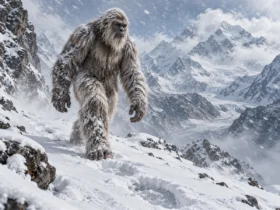
A large, hairy, ape-like "snowman" said to live in the Himalayas. It became world-famous with a footprint photograph in 1951. Recent DNA studies have found that most samples attributed to it came from bears.
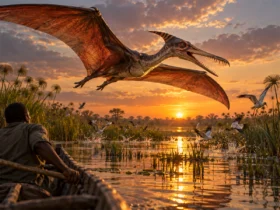
A pterosaur-like flying cryptid told of in the wetlands of Zambia in southern Africa. Its name is said to mean "overwhelmer of boats" in a local language. It was introduced in a book by an Englishman in the 1920s.
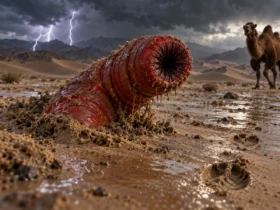
A cryptid like a thick red worm said to live in the Gobi Desert of Mongolia. Locally called "olgoi-khorkhoi," it is feared for killing people by spitting venom or discharging electricity.
A sea-serpent-type cryptid sighted off the coast of British Columbia on Canada's west coast. It was named by a newspaper in the 1930s, and a photo survives of a carcass said to have been found in a whale's stomach. Its identity is debated.
A long-necked monster said to live in Loch Ness, Scotland. Sightings increased from the 1930s, making it one of the most famous cryptids in the world.