Narukama (Singing Cauldron)

鳴釜

Yokai

A Shinto ritual at Kibitsu Shrine in Okayama Prefecture in which fortunes are told by the sound of a cauldron, and the supernatural tales around it. It is known from "The Cauldron of Kibitsu" in Ueda Akinari's Ugetsu Monogatari, and Toriyama Sekien also drew it as a cauldron yokai.

Also known asNarukama shinji, The Cauldron of Kibitsu, Singing cauldron ritual
Era / first recordedOld times (Shinto ritual)
OriginJapan
Related people
Stats
Rarity
Danger
Reality
Fame

Originally written in Japanese. 日本語版を読む (the Japanese page also has rankings and comments).

What is narukama?

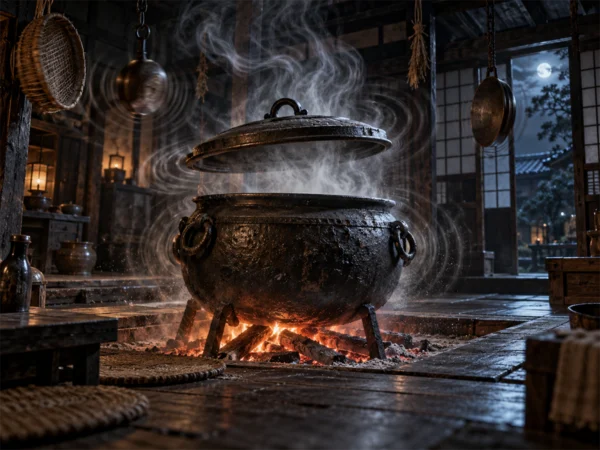
Narukama is a ritual in which fortunes are told by the sound a cauldron of boiling water makes, and the supernatural tales associated with it. Especially famous is the “Narukama Shinji” of Kibitsu Shrine in Okayama Prefecture: a fire is lit under the cauldron, rice is placed in a steamer and shaken, and the cauldron makes a loud booming sound. If the sound is loud and long, the omen is good; if it is faint or there is no sound, it is bad.

The legend of Ura and the singing cauldron

According to the shrine’s legend, long ago an oni named Ura who ravaged the province of Kibi was defeated by the god Kibitsuhiko no Mikoto. Ura’s head kept roaring long after it was cut off, so it was buried beneath the cauldron. Ura then appeared in Kibitsuhiko’s dream and promised that if his wife cooked offerings in the cauldron, he would make it sing to tell fortunes. The legend of Ura is also said to be one of the origins of the folktale “Momotaro.”

“The Cauldron of Kibitsu” in Ugetsu Monogatari

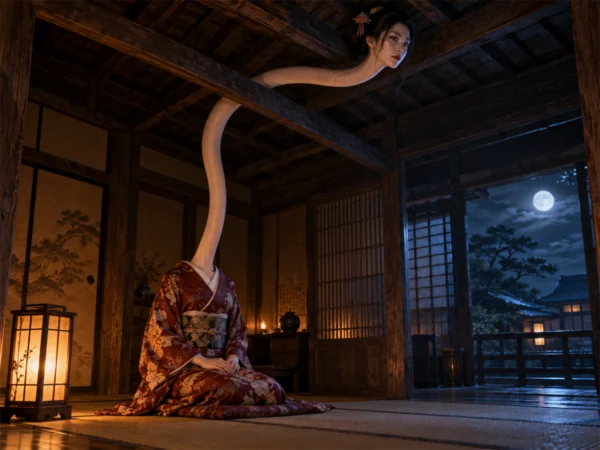
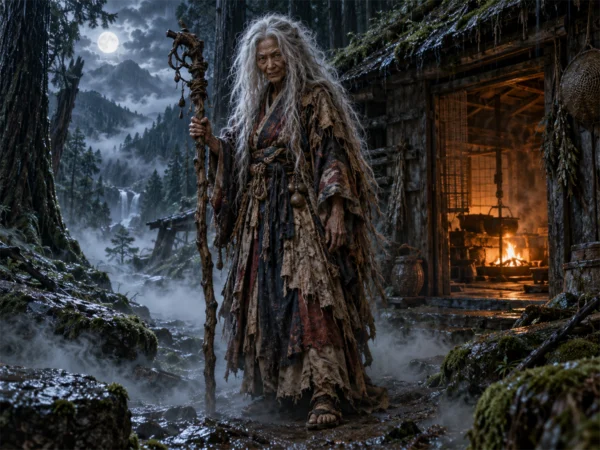
Ugetsu Monogatari by the Edo-period writer Ueda Akinari includes “The Cauldron of Kibitsu,” a ghost story based on this ritual. A couple marries even though the cauldron did not sing at their pre-wedding ritual, and the husband’s betrayal leads to a terrifying end; it is considered a masterpiece of Japanese ghost stories. Toriyama Sekien drew “narukama” as a cauldron yokai.

Narukama (Singing Cauldron): Legend & Sighting Locations

  • Kibitsu Shrine Kita Ward, Okayama, Okayama · Legend · Old times (ritual)

Please note Trespassing on private property or restricted areas is prohibited by law. Please be considerate of local residents.

Positions on the map are a rough guide to the area where a legend or sighting is set. Most pins are placed at representative points of a municipality or prefecture (outside Japan, a city position rounded to about 10 km, or the country), not at the exact place.
Municipality points: Geolonia address data (CC BY 4.0), based on the Address Base Registry (Digital Agency of Japan) / Country points: Natural Earth

Sources & References

  1. 雨月物語 (上田秋成, 1776)
  2. 百器徒然袋 (鳥山石燕, 1784)

Please note The contents of this site introduce legends, eyewitness accounts and theories; they do not guarantee that anything described is true. The stats are our own rough guide. Trespassing on private property or restricted areas is prohibited by law. Please be considerate of local residents.

Related Entries