What is a witch?
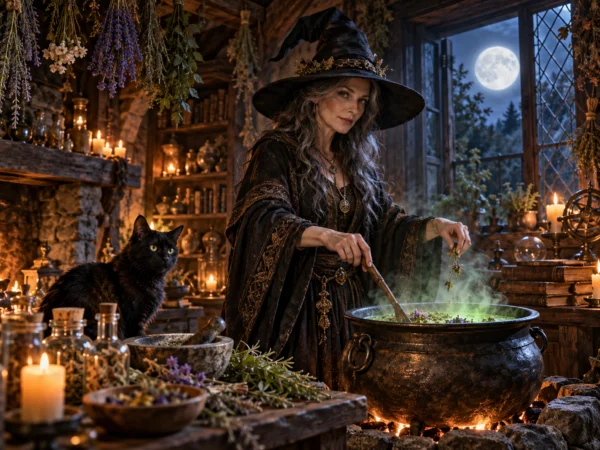
Witches were people believed to bring misfortunes such as illness, crop failure and the death of livestock through magic and curses. In European folk tradition, women with knowledge of herbs, midwives and fortune-tellers were sometimes feared as “witches.” The image of a pointed hat and black clothes, flying on a broomstick with a black cat, became established through folklore and modern picture books and stories.
Witch hunts and witch trials
From the late 15th to the 17th century, Europe saw large-scale persecution known as the “witch hunts.” The Malleus Maleficarum (Hammer of Witches), published around 1486, explained how to identify and try witches and helped spread witch trials.
Those accused of being witches were charged with crimes such as “making a pact with the devil and worshipping him at nighttime gatherings (sabbaths)” (devil worship), and in most cases were forced to confess under torture. Estimates of the victims vary by study, but tens of thousands are thought to have been executed, most of them women. In 1692, witch trials took place in Salem, America, and 19 people were executed.
Walpurgis Night and Halloween
In Germany and elsewhere, the night of April 30 is “Walpurgis Night,” when witches are said to gather on the Brocken mountain for a feast, a scene depicted in Goethe‘s Faust. Witches are also a classic costume on October 31, Halloween.
“Witches” today
Since the 20th century, movements such as Wicca, which claim to carry on Europe’s old nature religions, have arisen, and some people call themselves witches. Works such as Kiki’s Delivery Service have also changed the image of witches from fearsome beings into friendly characters. Incidentally, in German a strained back is called a “witch’s shot” (Hexenschuss).
The hag of British folklore is also an old woman like a witch or ogress.