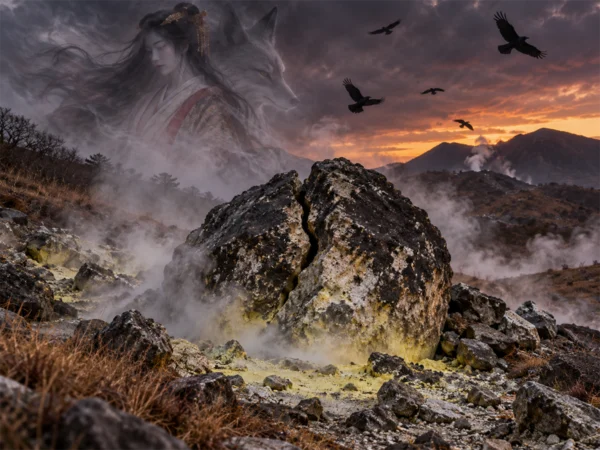
Oitekebori (The "Leave It Behind" Moat)

おいてけぼり

Mysteries & Phenomena

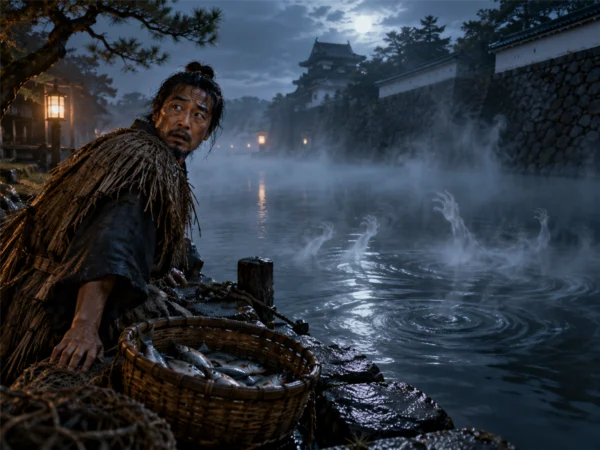
One of the "Seven Wonders of Honjo," ghost stories of Honjo in Edo (today's Sumida, Tokyo). When anglers tried to take home fish caught in the moat, a voice from the water said "Leave it, leave it," and the fish vanished. It is said to be the origin of the Japanese expression "oitekebori" (being left behind).

Also known asOiteke-bori, Okiteke-bori, Seven Wonders of Honjo
Era / first recordedEdo period
OriginJapan (Tokyo)
Stats
Rarity
Danger
Reality
Fame

Originally written in Japanese. 日本語版を読む (the Japanese page also has rankings and comments).

What is oitekebori?

Oitekebori (“the leave-it moat”) is one of the ghost stories known as the “Seven Wonders of Honjo,” told in Honjo in Edo (today’s Sumida, Tokyo). Long ago, the Kinshibori moat in Honjo was a place where fish bit well. But when anglers happily set off home with a big catch, an eerie voice came from the water of the moat: “Leave it, leave it.”

Frightened, they ran home, and when they looked in their creels, every fish they had caught was gone, it is said. Other tales say that those who ignored the voice and tried to take the fish home were led astray or even lost their lives.

Whose voice was it?

The owner of the “leave it” voice has been said to be a kappa living in the moat or a shapeshifting tanuki. Today a kappa statue inspired by the legend stands in Kinshibori Park near JR Kinshicho Station.

The origin of “oitekebori”

The Japanese expressions oitekebori and oitekibori, meaning to be left behind by one’s companions, are said to come from this ghost story’s “oiteke-bori.” The name of a ghost story lives on as an everyday word.

The other Seven Wonders of Honjo include “tanuki-bayashi,” festival music heard from nowhere when no one is there; “okuri-chochin,” a lantern light that follows you on a night road; and “kataha no ashi,” reeds with leaves on only one side. They were all loved by the people of Edo.


Oitekebori (The "Leave It Behind" Moat): Legend & Sighting Locations

Please note Trespassing on private property or restricted areas is prohibited by law. Please be considerate of local residents.

Positions on the map are a rough guide to the area where a legend or sighting is set. Most pins are placed at representative points of a municipality or prefecture (outside Japan, a city position rounded to about 10 km, or the country), not at the exact place.
Municipality points: Geolonia address data (CC BY 4.0), based on the Address Base Registry (Digital Agency of Japan) / Country points: Natural Earth

Please note The contents of this site introduce legends, eyewitness accounts and theories; they do not guarantee that anything described is true. The stats are our own rough guide. Trespassing on private property or restricted areas is prohibited by law. Please be considerate of local residents.

Related Entries