What is the Devil?
In Christianity, the Devil is the being who opposes God and tempts humans and leads them to evil, in other words, the leader of the devils. He is also called by names such as Satan and Lucifer. The English word “devil” comes from the Greek “diabolos,” meaning “slanderer.” The evil spirits under him are called demons.
Satan and Lucifer
“Satan” means “adversary” in Hebrew; in the Old Testament Book of Job, he appears as a being who tests human faith with God’s permission. In the New Testament, he is portrayed as the evil being who tempts Jesus during his fast in the wilderness, and in the Book of Revelation he is also called “that old serpent” and “the dragon.”
“Lucifer” means “light-bringer” (the morning star) in Latin. A passage in the Old Testament Book of Isaiah was later linked with the story of “the angel who fell from heaven,” and the name spread as another name for the Devil.
The legend of the fallen angel
In Christian tradition, the Devil was originally the most beautiful of the angels serving God, but he grew proud, rebelled against God, and was cast out of heaven into hell together with the angels who followed him, becoming a “fallen angel.” This story was grandly told in Paradise Lost, the epic poem by the 17th-century English poet John Milton.
The image of the Devil and the “pact with the Devil”
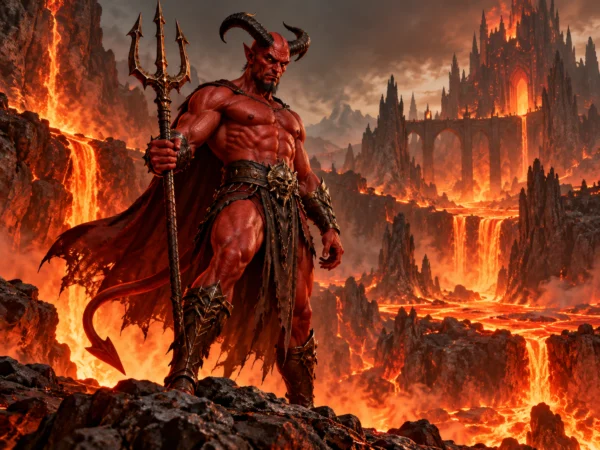
The image of the Devil with horns on his head, goat legs, a pointed tail, bat wings and a pitchfork in hand became established in art from the Middle Ages on. It is said to have been influenced by images such as that of the ancient shepherd god Pan.
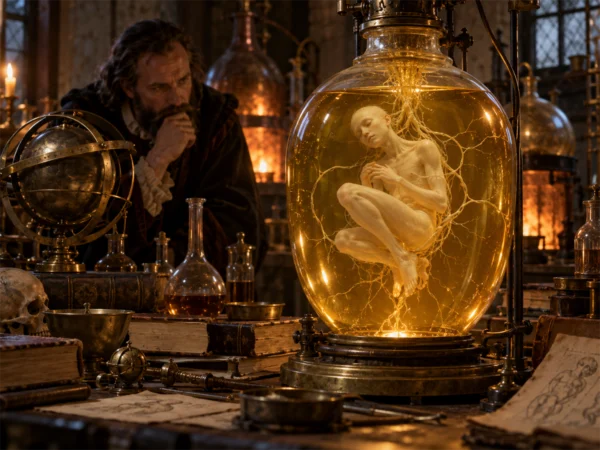
The “pact with the Devil,” selling one’s soul in exchange for knowledge or wealth, became the subject of many stories, beginning with Goethe‘s Faust. For the worship of the Devil, see Satanism, and for books that summon devils, see grimoires. The name of the American cryptid the Jersey Devil also comes from this “devil.”