People in the Legends

Sasaki Kizen

  • Folktale collector and writer
  • Japan
  • 1886–1933

Sasaki Kizen was a folktale collector and writer from the Tono region of Iwate Prefecture. Sometimes called “the Grimm of Japan,” he gathered and recorded many folktales of northern Japan.

The stories of his hometown that he told to Yanagita Kunio were published in 1910 as The Legends of Tono. Many of Tono’s famous strange tales, such as those of the kappa, people spirited away and zashiki-warashi, come from Sasaki. He later published folktale collections of his own, such as Kikimimi Soshi.

Entries Related to Sasaki Kizen

Entries: 5
Yokai ★★★★★ Japan (Tono area, Iwate Prefecture)

Mayoiga

A grand, empty mansion said to be found by people lost in the mountains; taking something from it is said to bring good fortune. Yanagita Kunio's The Legends of Tono includes the story of a woman who became wealthy thanks to a red bowl that floated down the river from it.

Yokai ★★★★★ Japan (Iwate Prefecture)

Oshirasama

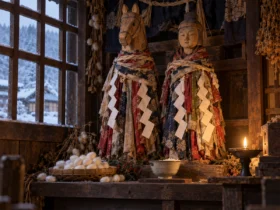
A household deity worshipped in old families of the Tohoku region: a pair of mulberry-wood figures with the faces of a horse and a girl, dressed in layers of cloth. The Legends of Tono records the tale of a tragic love between a horse and a girl from which silkworms were born.

Yokai ★★★★★ Japan

Zashiki-warashi

A child-like yokai said to live in old houses in northern Japan. A house with a zashiki-warashi prospers, and when it leaves, the family declines. Featured in The Legends of Tono, it is the best-known yokai of good fortune.

Yokai ★★★★★ Japan

Kappa

A water yokai said to live in rivers and ponds, with a dish of water on top of its head. Alongside frightening tales, it is known for friendlier ones, such as its love of sumo wrestling and cucumbers.

Mysteries & Phenomena ★★★★★ Japan

Kamikakushi (Spirited Away)

The folk belief that people who suddenly vanish have been taken by gods, tengu or mountain spirits. Many stories tell of people returning years later, and records are found throughout Japan.

All people ›