1. 12th–13th century (medieval period)
    Mysteries & Phenomena ★★★★★ Spain and southern France (Judaism)

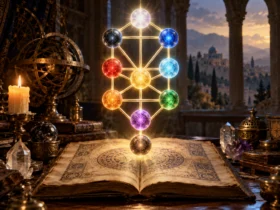
    Kabbalah

    The mystical tradition of Judaism. It explains God and the creation of the world through diagrams such as the "Tree of Life" (Sephiroth), ten spheres connected by lines. It developed in medieval Spain and southern France and later influenced Western magic, the occult, numerology, and even anime and games.
  2. Muromachi period (setting) / Edo period (tale)
    Mysteries & Phenomena ★★★★★ Japan (Hyogo Prefecture)

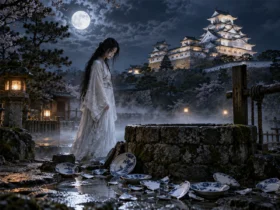
    Banshu Sarayashiki (The Dish Mansion of Himeji)

    A dish-mansion ghost story set at Himeji Castle in Hyogo Prefecture. Okiku, a maid who discovered a plot against her lord, was framed when a treasured plate was hidden, and thrown into a well. "Okiku's Well" still remains at Himeji Castle, and the legend of the "Okiku bug" is also told.

  3. Medieval to early modern period (witch hunts of the 15th–17th centuries)
    Mysteries & Phenomena ★★★★★ Europe

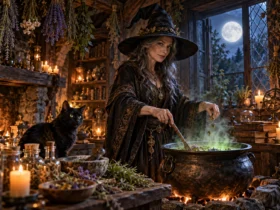
    Witches

    People believed to bring misfortune through magic. In 15th–17th-century Europe, many people were put on trial as witches for "making pacts with the devil," and tens of thousands were executed. The image of flying on a broomstick with a black cat spread through folklore and later stories.

  4. 16th century (in a book attributed to Paracelsus)
    Mysteries & Phenomena ★★★★★ Switzerland

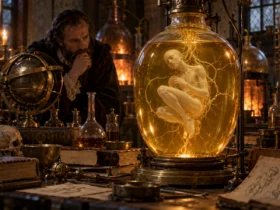
    Homunculus

    A small artificial human said to be created in a flask through alchemy. A book attributed to the 16th-century alchemist Paracelsus describes how to make one. It also appears in Goethe's Faust and has become a motif of many works.

  5. Medieval period onward
    Mysteries & Phenomena ★★★★★ Japan

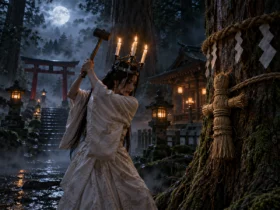
    Ushi no Koku Mairi (Midnight Curse Ritual)

    A curse ritual in which a person nails a straw doll to a tree at a shrine with long nails at the Hour of the Ox (around 2 a.m.) to curse someone they hate. It spread against the background of legends such as that of Hashihime of Uji. Today it can even be a crime.