1. Early 13th century
    Mysterious Books ★★★★★ Czech Republic

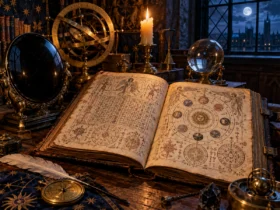
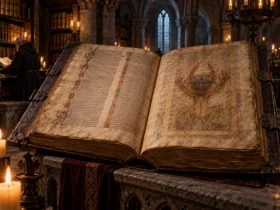
    Codex Gigas

    One of the largest medieval manuscripts in the world, made at a monastery in Bohemia (today's Czech Republic) in the early 13th century. It weighs about 75 kg. Because it contains a large picture of the devil, it is called the "Devil's Bible," and a legend says a monk wrote it in one night with the devil's help.
  2. Kamakura period
    Yokai ★★★★★ Japan

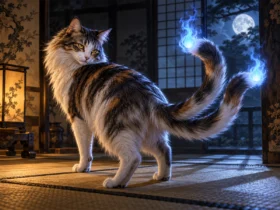
    Nekomata

    A yokai said to be a cat that has lived so long that its tail has split in two. It appears in the Kamakura-period classic Essays in Idleness, and is described both as a wild beast of the mountains and as a pet cat that transforms.

  3. 13th century (French romance)
    Spirits & Fairies ★★★★★ Europe

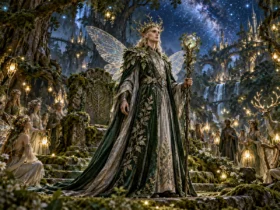
    Oberon

    The king of the fairies in European folklore. He appears as a dwarf king in a medieval French romance and became widely known as the fairy king in Shakespeare's A Midsummer Night's Dream.

  4. Kamakura to Edo period
    Yokai ★★★★★ Japan

    Nozuchi

    A yokai said to live in the mountains and fields, with no eyes or nose, only a big mouth. It is said to roll down slopes to attack people. It is also known as one of the old names of the tsuchinoko.

  5. 12th–13th century (medieval period)
    Mysteries & Phenomena ★★★★★ Spain and southern France (Judaism)

    Kabbalah

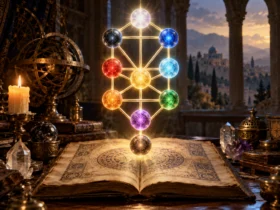
    The mystical tradition of Judaism. It explains God and the creation of the world through diagrams such as the "Tree of Life" (Sephiroth), ten spheres connected by lines. It developed in medieval Spain and southern France and later influenced Western magic, the occult, numerology, and even anime and games.

  6. Medieval to early modern Europe (13th–18th centuries)
    Mysterious Books ★★★★★ Europe

    Grimoire

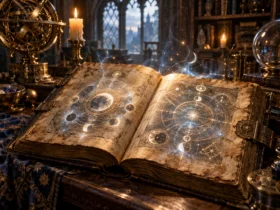
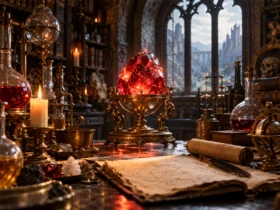
    The general name for European books of magic recording how to summon angels, demons and spirits and how to make amulets and magic circles. They spread from the Middle Ages to the early modern period as manuscripts and cheap printed books. Famous examples include the "Key of Solomon" and the "Lemegeton," and they became the model for the spellbooks of fantasy fiction.

  7. c. 10th–16th century
    Ancient Civilizations ★★★★★ Chile (Easter Island)

    Moai

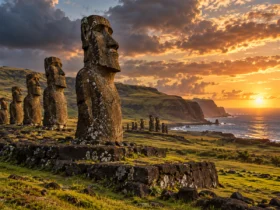
    Giant stone statues of human faces on Easter Island (Rapa Nui) in the South Pacific. About 900 exist, carved between around the 10th and 16th centuries. Thought to honor ancestors, how they were moved was long a mystery.

  8. 1345 (recorded in annals)
    Cryptids ★★★★★ Iceland

    Lagarfljot Worm

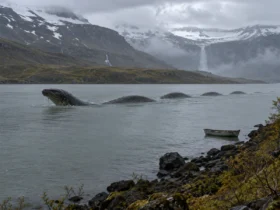
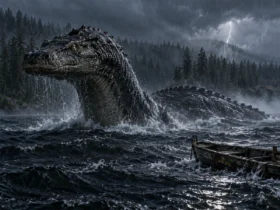
    A serpent-like cryptid said to live in Lake Lagarfljot in eastern Iceland. It is recorded in 14th-century annals. In 2012, a video said to show it swimming in undulating waves across the lake was released, causing a worldwide sensation.

  9. Nanboku-cho period (Taiheiki)
    Yokai ★★★★★ Japan

    Itsumade

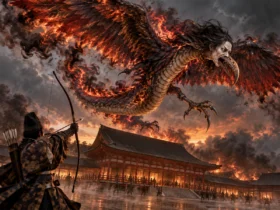
    A monstrous bird that eerily cries "itsumade, itsumade" ("until when, until when"). The Taiheiki tells of one appearing over the palace in a year of epidemic and being shot down by a master archer. Toriyama Sekien named it "Itsumade" and drew it.

  10. 14th century (first appears in records)
    OOPArts ★★★★★ Italy (first recorded in France)

    Shroud of Turin

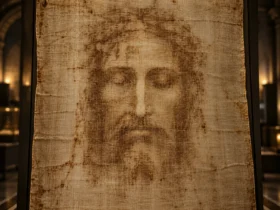
    A linen cloth in the cathedral of Turin, Italy, said to have wrapped the body of Jesus Christ. The faint image of a man's whole body appears on it. A 1988 dating test placed it in the Middle Ages, but how the image was made remains a mystery.

  11. Early 15th century (parchment dating)
    Mysterious Books ★★★★★ Unknown (Europe)

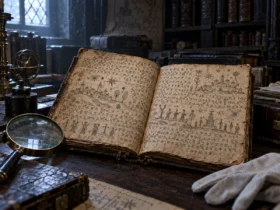
    Voynich Manuscript

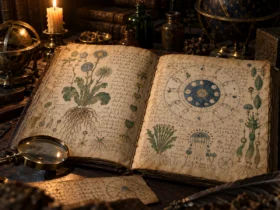
    A 15th-century manuscript filled with writing no one can read and strange illustrations of plants that do not exist and naked women. Discovered by the book dealer Wilfrid Voynich in 1912, it remains undeciphered despite theories of a cipher, an artificial language or a hoax.

  12. 15th century (legend) / 20th century (confirmed)
    Confirmed Cryptids ★★★★★ Vietnam

    Hoan Kiem Turtle

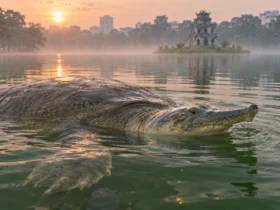
    A legendary giant turtle said to live in Hoan Kiem Lake in Hanoi, Vietnam. Told of as the divine turtle to which a hero returned a sacred sword, it was confirmed to be one of the world's largest softshell turtles.

  13. Introduced around the 13th–15th centuries
    Divine & Mythical Beasts ★★★★★ Japan (Okinawa Prefecture)

    Shisa

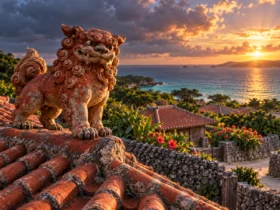
    A guardian lion statue placed on roofs and gates and at village entrances in Okinawa to ward off evil. Its name comes from the Okinawan pronunciation of "shishi" (lion). Shisa are often set out in pairs, a male with an open mouth and a female with a closed mouth, and are believed to drive away misfortune.

  14. Muromachi period onward
    Yokai ★★★★★ Japan

    Tsukumogami

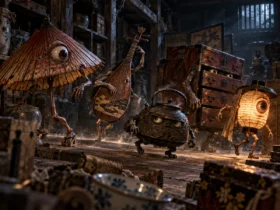
    Tools and objects that have acquired a spirit after many years and become yokai. Tools used for a hundred years are said to transform. They are depicted in the Muromachi-period Tsukumogami-ki and in "night parade of a hundred demons" scrolls.

  15. Muromachi period onward
    Yokai ★★★★★ Japan

    Hannya

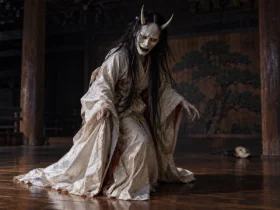
    A Noh mask showing the face of a woman turned into a demon by jealousy and resentment, with two horns and a wide, gaping mouth. It is used in plays such as Aoi no Ue, which depicts the living spirit of Lady Rokujo from The Tale of Genji.

  16. Muromachi period (setting) / Edo period (tale)
    Mysteries & Phenomena ★★★★★ Japan (Hyogo Prefecture)

    Banshu Sarayashiki (The Dish Mansion of Himeji)

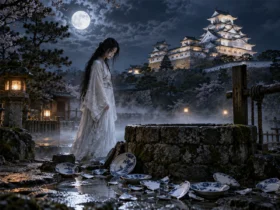
    A dish-mansion ghost story set at Himeji Castle in Hyogo Prefecture. Okiku, a maid who discovered a plot against her lord, was framed when a treasured plate was hidden, and thrown into a well. "Okiku's Well" still remains at Himeji Castle, and the legend of the "Okiku bug" is also told.

  17. Muromachi period (legend)
    Yokai ★★★★★ Japan (Gunma Prefecture)

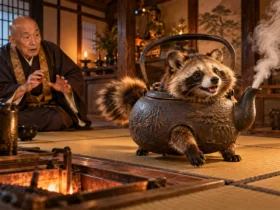
    Bunbuku Chagama

    The legend of a magical tea kettle at Morinji Temple in Tatebayashi, Gunma Prefecture, that never ran out of hot water however much was drawn from it. The monk who used it turned out to be a tanuki. It later spread as the folktale of a tanuki that turned into a tea kettle and walked a tightrope.

  18. Muromachi period onward
    Yokai ★★★★★ Japan

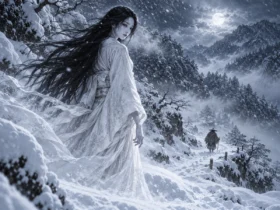
    Yuki-onna (Snow Woman)

    A beautiful female yokai in a white kimono who appears on snowy nights and freezes people with her icy breath. The version in Lafcadio Hearn's Kwaidan is the most famous, and legends of her are told throughout Japan's snow country.

  19. Medieval to early modern period (witch hunts of the 15th–17th centuries)
    Mysteries & Phenomena ★★★★★ Europe

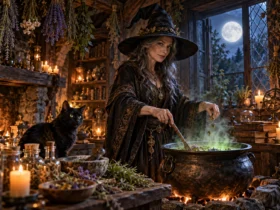
    Witches

    People believed to bring misfortune through magic. In 15th–17th-century Europe, many people were put on trial as witches for "making pacts with the devil," and tens of thousands were executed. The image of flying on a broomstick with a black cat spread through folklore and later stories.

  20. 1513
    OOPArts ★★★★★ Turkey (Ottoman Empire)

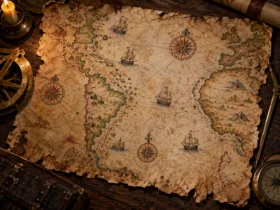
    Piri Reis Map

    A world map drawn in 1513 by the Ottoman admiral Piri Reis. It shows the coastline of South America, and its lower part was claimed to be "Antarctica before it was covered in ice." Most researchers think it shows the South American coastline bent to fit.

  21. 16th century
    Spirits & Fairies ★★★★★ Europe

    Undine

    The elemental spirit of water among the four elemental spirits. Undines were said to gain a soul by marrying a human, and the idea spread as a tragic love story through Fouque's novel Undine. It also gave its name to the medical term "Ondine's curse."

  22. Ancient times to the 16th century
    Spirits & Fairies ★★★★★ Europe

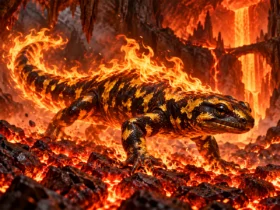
    Salamander (Fire Spirit)

    The elemental spirit of fire among the four elemental spirits, depicted as a lizard living in fire. Since ancient times it has been believed to be "a creature that can live even in fire," and its name is also the English name of real amphibians.

  23. 16th century
    Spirits & Fairies ★★★★★ Europe

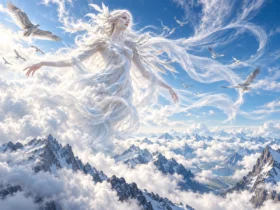
    Sylph

    The elemental spirit of wind (air) among the four elemental spirits, described by the 16th-century physician Paracelsus. Sylphs are said to be slender and beautiful, and the feminine form "sylphide" also became the subject of a ballet.

  24. 16th century
    Mysterious Books ★★★★★ United Kingdom

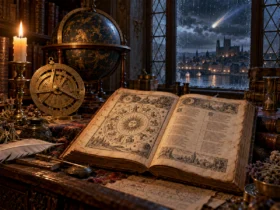
    Book of Soyga

    A Latin book of magic handed down in 16th-century England. It was owned by John Dee, a scholar who served Elizabeth I, who is recorded as having communicated with angels to decipher it. Long thought lost, copies were rediscovered in 1994.

  25. 16th century
    Spirits & Fairies ★★★★★ Europe

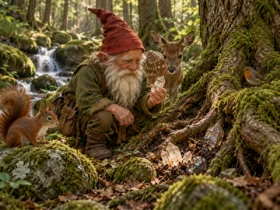
    Gnome

    The elemental spirit of earth among the four elemental spirits. Gnomes are little people said to move freely underground and guard minerals and treasure. They are also known from the ceramic "garden gnome" figures that originated in 19th-century Germany.

  26. 16th century (in a book attributed to Paracelsus)
    Mysteries & Phenomena ★★★★★ Switzerland

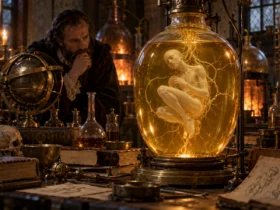
    Homunculus

    A small artificial human said to be created in a flask through alchemy. A book attributed to the 16th-century alchemist Paracelsus describes how to make one. It also appears in Goethe's Faust and has become a motif of many works.

  27. Mid-16th century (surviving copy early 18th century)
    Mysterious Books ★★★★★ Guatemala

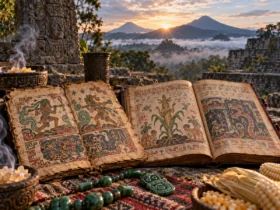
    Popol Vuh

    A book of myths and history handed down among the K'iche' Maya of Guatemala in Central America. It records the creation of the world, how humans were made from maize, and the hero twins who fought the gods of the underworld in a ball game. It is considered the most important book preserving Maya mythology.

  28. 16th century or later (estimated from paper watermarks)
    Mysterious Books ★★★★★ Hungary

    Rohonc Codex

    A 448-page manuscript written in an unknown script, held by the Hungarian Academy of Sciences. Its name comes from its former location, Rohonc (today Rechnitz, Austria). It has Christian and pagan illustrations, but its script remains undeciphered.

  29. 1555 (first edition)
    Mysterious Books ★★★★★ France

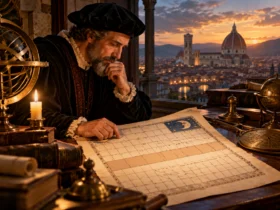
    The Prophecies of Nostradamus

    A collection of prophetic verses by Nostradamus, a 16th-century French physician and astrologer. In Japan it became a social phenomenon when the verse "In the year 1999, seventh month, from the sky will come a great King of Terror" was interpreted as a prophecy of humanity's destruction.

  30. 16th–18th century
    Ancient Civilizations ★★★★★ Southern Hemisphere

    Megallanica

    An imaginary continent covering much of the Southern Hemisphere on world maps of the 16th–18th centuries. Named after Magellan, it was shown not to exist by voyages such as Cook's.

  31. 1577 (record)
    Cryptids ★★★★★ United Kingdom

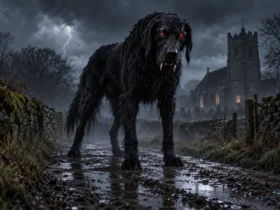
    Black Shuck

    A giant black dog with fiery eyes from the folklore of eastern England. A record survives of it appearing in churches and attacking people in 1577. It is the leading example of Britain's many "black dog" legends.

  32. 16th century (legend of Prague)
    Divine & Mythical Beasts ★★★★★ Czechia (Jewish tradition)

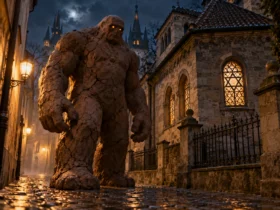
    Golem

    An artificial giant made of mud or clay in Jewish tradition. It moves by the power of sacred letters and obeys its maker. A famous story says that erasing the "e" from "emeth" (truth) on its forehead, leaving "meth" (death), turns it back to earth. The legend of Rabbi Loew of 16th-century Prague is especially famous.

  33. 1582
    Urban Legends ★★★★★ Italy (Rome)

    The Missing 10 Days of 1582

    If you display October 1582 in a smartphone calendar, the 4th is followed by the 15th, with ten days missing. The cause is the calendar reform (the Gregorian calendar) by Pope Gregory XIII, which really did skip ten days.

  34. 16th–17th century (manuscripts)
    Mysterious Books ★★★★★ United Kingdom

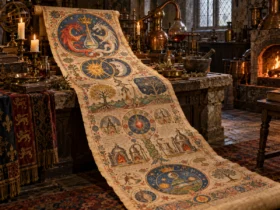
    Ripley Scroll

    An alchemical picture scroll several meters long named after the 15th-century English alchemist George Ripley. It depicts the making of the philosopher's stone in symbolic pictures of dragons, birds and alchemists, with verses. About twenty copies from the 16th–17th centuries survive.

  35. c. 1595 (A Midsummer Night's Dream)
    Spirits & Fairies ★★★★★ United Kingdom

    Titania

    The queen of the fairies in Shakespeare's comedy A Midsummer Night's Dream. Through a trick played by her husband, the fairy king Oberon, she falls in love with a craftsman whose head has been turned into a donkey's. A moon of Uranus is named after her.

  36. Medieval period (trade in tusks)
    Confirmed Cryptids ★★★★★ Arctic Ocean

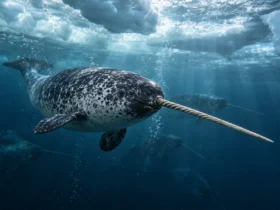
    Narwhal

    A whale of the Arctic seas with a single long tusk. In medieval Europe its tusks were traded at high prices as the horns of the legendary unicorn. It is the real "unicorn of the sea."

  37. Medieval to early modern period
    Yokai ★★★★★ Japan

    Inugami

    A dog-spirit possession believed to cause illness and misfortune. Belief in it was strongest in Shikoku, Chugoku and Kyushu, and there was also a folk belief that it was attached to certain families for generations, which caused discrimination.

  38. Medieval period onward
    Mysteries & Phenomena ★★★★★ Japan

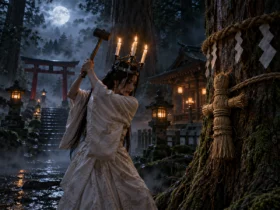
    Ushi no Koku Mairi (Midnight Curse Ritual)

    A curse ritual in which a person nails a straw doll to a tree at a shrine with long nails at the Hour of the Ox (around 2 a.m.) to curse someone they hate. It spread against the background of legends such as that of Hashihime of Uji. Today it can even be a crime.

  39. Medieval Europe
    Urban Legends ★★★★★ Europe

    Philosopher's Stone

    A legendary substance of alchemy believed to turn metals such as lead into gold, and even to grant immortality when drunk. Many alchemists of medieval Europe sought to make it, and a legend says the Paris scribe Nicolas Flamel succeeded.

  40. Middle Ages onward
    Spirits & Fairies ★★★★★ Germany

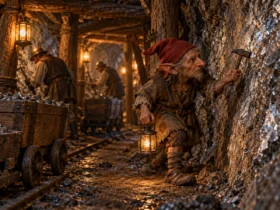
    Kobold

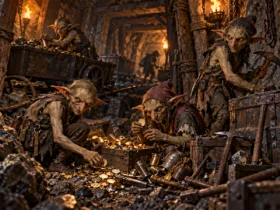
    A household or mine spirit of German folklore. In houses kobolds helped with chores, while in mines they were said to lead miners astray. A troublesome ore named after them gave the element "cobalt" its name.

  41. Middle Ages onward
    Spirits & Fairies ★★★★★ Europe

    Goblin

    An ugly, mischievous little creature of European folklore. There are also friendly hobgoblins that live in houses. Through Tolkien's works, goblins became standard enemy characters in games.

  42. Middle Ages
    Spirits & Fairies ★★★★★ Europe

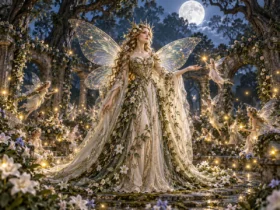
    Fay

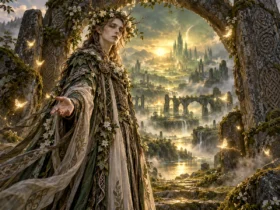
    An old word for the fairies of Europe. It comes from the Latin for "fate" and is the origin of the English "fairy." Sometimes, as with Morgan le Fay of Arthurian legend, it refers to a woman with magical powers.

  43. Middle Ages onward
    Cryptids ★★★★★ Russia

    Brosno Dragon

    A dragon-like cryptid said to live in Lake Brosno in Tver Oblast, Russia. Legend says it swallowed Mongol soldiers in the Middle Ages, and sightings came one after another in the 1990s as well.

  44. Medieval period onward
    Yokai ★★★★★ Japan

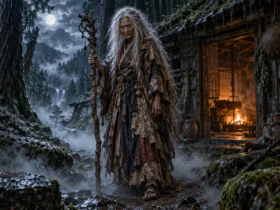
    Yamauba

    An old woman yokai who lives deep in the mountains. She is told of as a terrifying hag who eats people, yet she also appears as a mountain goddess and as the mother of Kintaro. She is familiar from folktales such as "The Three Charms."